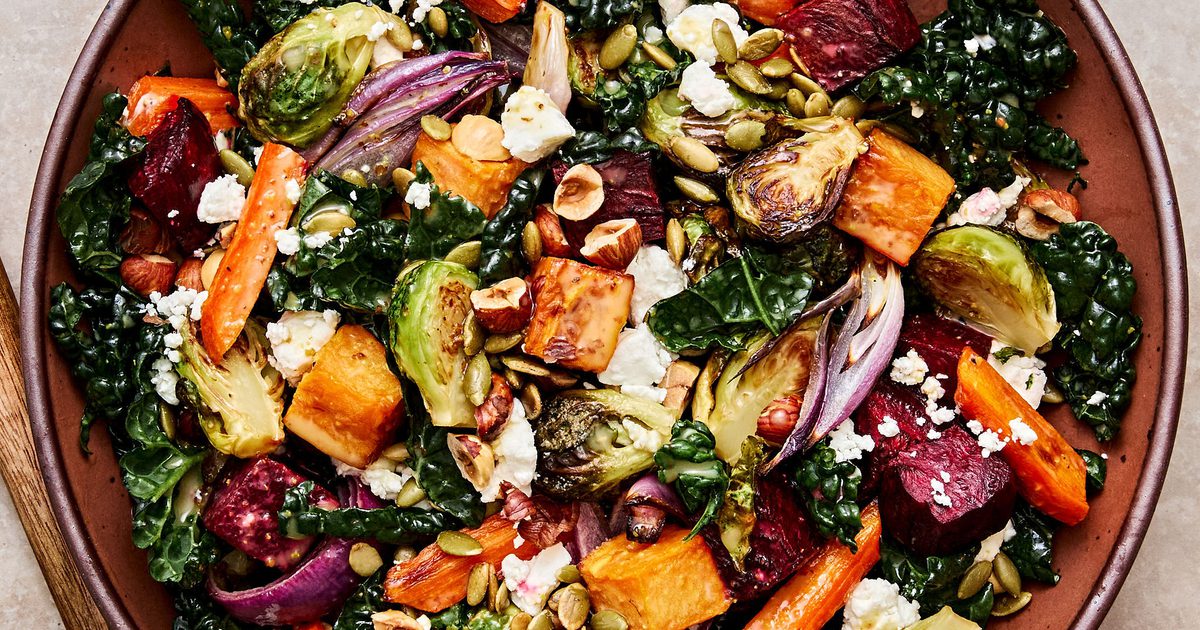
Winter Roasted Veggie Salad: The Game-Changer Even Salad Haters Love
For many, the word "salad" conjures images of limp lettuce, sparse toppings, and an overall feeling of unsatisfying health food. But what if we told you there's a salad that defies these expectations? A hearty, flavorful, and incredibly satisfying dish that even the most ardent salad skeptics find themselves craving? Enter the Winter Roasted Veggie Salad with Grains – an adaptable masterpiece designed to warm you from the inside out, offering robust textures, deep flavors, and the kind of comforting sustenance usually reserved for heavier meals.
This isn't your average leafy green bowl. It’s a strategic assembly of tender, caramelized roasted vegetables, robust grains, and a zesty dressing that ties everything together. The beauty of this recipe lies not just in its deliciousness but in its unparalleled versatility, minimal hands-on time, and perfect suitability for healthy meal prep. It's the kind of dish you genuinely look forward to pulling out of the fridge, packed with nutrients and vibrant appeal.
The Magic Behind the "Salad Hater's" Favorite
What makes this particular roasted vegetable salad with grains so universally appealing? It's a combination of smart culinary choices that address the common complaints about traditional salads.
Why Roasting Transforms Vegetables
Roasting vegetables isn't just a cooking method; it's a flavor transformation. High heat coaxes out the natural sugars within vegetables, leading to a beautiful caramelization that enhances sweetness and adds complex, nutty notes. The texture shifts too, from raw crispness to tender-crispness with slightly browned edges, offering a far more inviting mouthfeel than cold, raw produce. For our winter salad, think root vegetables like sweet potatoes and beets, which become incredibly rich and flavorful after roasting. But don't stop there! Brussels sprouts, carrots, parsnips, butternut squash, and even red onions develop an irresistible depth when roasted, making them star components rather than mere fillers.
- Sweet Potatoes: Develop a rich, almost dessert-like sweetness and creamy texture.
- Beets: Earthy and vibrant, roasting intensifies their color and mellows their flavor, making them tender and juicy.
- Brussels Sprouts: Become nutty and slightly crispy on the edges, losing any potential bitterness often associated with them.
- Butternut Squash: Creamy, naturally sweet, and provides excellent body to the salad.
- Carrots & Parsnips: Roasting brings out their inherent sweetness, making them tender and delightful.
The Power of Grains
The addition of hearty grains is another cornerstone of this salad's success. Grains provide a satisfying chew, sustained energy, and a wonderful textural contrast to the soft roasted vegetables and tender greens. They elevate the dish from a light side salad to a complete, fulfilling meal. Instead of a light appetizer, you get a substantial bowl that keeps you feeling full and energized for hours.
While wild rice is a fantastic choice, feel free to experiment with other robust options based on your preference and what you have on hand:
- Quinoa: A complete protein, fluffy, and quick-cooking, adding a slightly earthy flavor.
- Farro: A chewy, nutty ancient grain with great texture, perfect for absorbing dressing flavors.
- Barley: Hearty and wholesome, it lends a delightful chewiness and robust flavor.
- Brown Rice: A classic, offering a chewy texture and mild flavor that pairs well with most vegetables.
- Couscous: Light and quick, though less chewy than other options, it still provides a good base.
Choosing Your Greens Wisely
Forget tough, fibrous greens that require aggressive chewing. This roasted vegetable salad with grains thrives on tender, delicate greens that complement rather than overpower. Baby kale is a standout choice because it's soft enough not to require shredding and holds up well to dressing, even when added ahead of time, preventing dreaded sogginess. Other excellent options include baby spinach, arugula (for a peppery kick that contrasts beautifully with sweet roasted veggies), or a spring mix for varied textures and flavors.
Unleash Your Inner Chef: Customization and Adaptability
Perhaps the most liberating aspect of this winter salad is its incredible adaptability. It's less a rigid recipe and more a flexible framework, inviting you to experiment and make it truly your own. This makes it perfect for resourceful home cooks and anyone looking to minimize food waste.
The "Leftovers Dumping Ground" Advantage
Think of this salad as the ultimate culinary canvas for your refrigerator's forgotten treasures. Have some leftover grilled chicken from dinner? Toss it in. A few roasted bell peppers or zucchini from another meal? Perfect additions! This concept makes meal planning incredibly efficient and helps you use up ingredients before they spoil. It’s an ingenious way to transform disparate leftovers into a cohesive and exciting new dish. For more tips on making the most of your pantry and fridge, check out our guide on Versatile Roasted Veggie Grain Salad: Customize with Leftovers.
Dressing Done Right: Flavor & Health
A great dressing is the soul of any salad, and for this roasted vegetable salad with grains, you want something vibrant and punchy. The reference context cleverly suggests decreasing olive oil while maintaining strong flavor. This approach concentrates the taste, meaning you need less dressing to achieve maximum impact, cutting down on calories without sacrificing satisfaction. A simple blend of good quality olive oil, apple cider vinegar (or fresh lemon juice), minced garlic, sea salt, and a touch of maple syrup or honey can be a fantastic base. Don't be afraid to experiment:
- Mediterranean-inspired: Lemon juice, olive oil, dried oregano, a hint of Dijon mustard, and a pinch of black pepper.
- Maple-Dijon Vinaigrette: Whisk together maple syrup, Dijon mustard, apple cider vinegar, and olive oil for a sweet-tangy profile.
- Tahini-based: Blend tahini, lemon juice, garlic, water (to thin to desired consistency), and a touch of honey or maple syrup for a creamy, earthy dressing.
Blending your dressing ensures it's smooth and emulsified, coating every ingredient evenly and delivering a burst of flavor in every bite. Using a food processor or blender creates a consistent texture that adheres beautifully to the roasted veggies and grains.
Beyond the Basics: Protein & Toppings
While the roasted veggies and grains provide plenty of sustenance, adding protein and various toppings can elevate your salad to new heights, making it even more satisfying and nutrient-dense:
- Proteins: Sliced grilled chicken or salmon, crumbled goat cheese (as suggested in the reference), toasted chickpeas, pan-fried halloumi, hard-boiled eggs, or even seasoned baked tofu or tempeh for plant-based options.
- Nuts & Seeds: Toasted pine nuts, walnuts, pecans, pumpkin seeds, or sunflower seeds add crunch, healthy fats, and extra nutrients.
- Dried Fruits: Dried cherries, cranberries, or apricots introduce a delightful tart-sweet counterpoint, balancing the savory elements.
- Fresh Herbs: A sprinkle of fresh parsley, dill, or mint can brighten the flavors and add a fresh aromatic note.
- Cheeses: Besides goat cheese, consider crumbled feta, shaved Parmesan, or even a sprinkle of blue cheese for a bolder flavor.
Master the Art of Meal Prep: Save Time, Eat Well
One of the most praised qualities of this roasted vegetable salad with grains is its meal-prep friendliness. It makes a fantastic make-ahead lunch that you'll actually look forward to eating throughout the week. The key lies in strategic assembly to maintain freshness and prevent sogginess.
Big Bowl vs. Layered Containers
You have two main routes for prepping:
- The Big Mix: Combine your cooled roasted vegetables, cooked grains, dried fruits, and nuts in a large bowl. Toss with the dressing (especially if using tender greens like baby kale that won't wilt easily) and store in the fridge for several days. When serving, simply scoop a portion onto fresh greens and top with any optional proteins or cheeses. This method is great for gatherings or if you plan to eat it all within 2-3 days.
- The Layered Approach (Meal Prep Containers): This method is ideal for those who prefer to keep textures separate until serving or are concerned about dressing-induced sogginess. For individual containers, start with grains at the bottom, followed by roasted vegetables, then your tender greens. Sprinkle dried fruits, nuts, and any protein on top. Drizzle the dressing over just before serving, or pack it in a separate small container. This layering technique helps ensure your greens stay crisp and your grains absorb the flavors without becoming mushy. This strategy is particularly effective for creating Easy Make-Ahead Roasted Vegetable Grain Salad for Healthy Lunches.
Regardless of your chosen method, the ability to prepare a week's worth of truly enjoyable, healthy lunches in one go is a game-changer for busy schedules, ensuring you have delicious and nutritious options readily available.
Your Step-by-Step Guide to a Perfect Winter Roasted Veggie Salad
Creating this satisfying salad is surprisingly simple, requiring minimal hands-on time and yielding maximum flavor.
Roasting the Stars
Preheat your oven to 425°F (220°C). Line a large sheet pan with parchment paper or foil for easy cleanup – this is key to preventing sticking and making post-meal tidying a breeze. Chop your chosen winter vegetables – sweet potatoes, beets, parsnips, Brussels sprouts, carrots, butternut squash, or even red onions – into roughly 1-inch cubes for even cooking. Toss them with a generous drizzle of olive oil, a hearty pinch of sea salt, and a sprinkle of garlic powder. Spread them in a single layer on the prepared pan, ensuring not to overcrowd; crowding leads to steaming rather than roasting, preventing that desirable caramelization. Roast for 20-30 minutes, stirring every 10 minutes, until tender and beautifully caramelized on the edges. If you have leftover roasted veggies like grilled peppers or asparagus, add them in during the last few minutes to warm through and integrate their flavors.
Grain Prep & Dressing Magic
While your vegetables are roasting, cook your chosen grains according to package directions. For heartier grains like wild rice or barley, this might take 30-45 minutes; quinoa or couscous will be much quicker, often ready in 15-20 minutes. Once cooked, drain any excess water thoroughly and set aside to cool slightly. Allowing them to cool prevents them from wilting your greens prematurely.
For the dressing, combine your ingredients (e.g., olive oil, apple cider vinegar or lemon juice, minced garlic, sea salt, a touch of maple syrup or honey, and perhaps some Dijon mustard for tang) in a blender or food processor. Blend until smooth and emulsified. Taste and adjust seasonings as needed – perhaps a little more acidity, sweetness, or a dash of fresh black pepper to bring out the flavors. The goal is a vibrant dressing that packs a punch.
Assembling Your Masterpiece
Once all components are ready and slightly cooled, it's time to assemble your delicious salad. If going for the "Big Mix" method, combine the roasted vegetables, cooked grains, dried cherries (or cranberries), and pine nuts in a large mixing bowl. Drizzle with the prepared dressing and toss gently but thoroughly to ensure every ingredient is coated. Then, serve this mixture over a generous bed of fresh baby kale or other tender greens. Finish with crumbled goat cheese and any other desired toppings like extra nuts, seeds, or protein.
If you're meal prepping with the layered approach, place cooked grains at the bottom of your containers, followed by the cooled roasted veggies, then your tender greens. Add dried fruits, nuts, and protein on top, and pack the dressing separately in a small container. This thoughtful layering ensures everything stays fresh and vibrant until you’re ready to enjoy, providing a truly satisfying experience even days later.
Conclusion
The Winter Roasted Veggie Salad with Grains is more than just a recipe; it's a paradigm shift for anyone who's ever felt ambivalent about salads. Its robust flavors, comforting warmth, satisfying textures, and incredible adaptability make it a true culinary revelation. By embracing roasted vegetables, hearty grains, and smart preparation, this dish transforms the humble salad into a crave-worthy, wholesome meal. Whether you're a seasoned chef or a kitchen novice, a dedicated meal prepper or someone simply looking for an exciting new dish, this salad offers unparalleled value and enjoyment. Give it a try this winter, and discover why even the most staunch salad haters are falling in love with this hearty, versatile, and utterly delicious creation.
